FOREVER://LoRa

FOREVER LoRa

When the towers go dark, the mesh keeps talking.

Forever LoRa is dedicated to the decentralization of data, communication, energy, water storage and sourcing, and so much more. It's about not depending on one company, one tower, or one network.

Start with the field manual below for a quick overview of LoRa, mesh networks, Meshtastic, and MeshCore. Then try to keep a mesh alive in a storm, practice sending an encrypted message, and check out my 3D-printed cases.

[ Open field manual ]

Field manual

Six short files. Read the summary, or decrypt a file for the details.

What is decentralized communication?

Most messages pass through someone else's infrastructure: cell towers, data centers, and company servers. A decentralized network spreads that work across its users, so no single owner or outage decides whether a message gets through.

Decrypt full file

Why it matters: storms, remote terrain, and packed events can all overwhelm or knock out normal networks. Decentralized systems have fewer single points of failure.

It's bigger than radio: peer-to-peer file sharing, federated social networks like Mastodon, and community-run networks all apply the same idea. Forever LoRa is interested in all of it.

The tradeoff: you usually give up some speed and convenience in exchange for independence. Someone also has to run the network, and that someone is the community.

What is LoRa?

LoRa, short for "long range," is a radio technology that sends small amounts of data across long distances using very little power. Think text messages and sensor readings, not video calls.

Decrypt full file

How it works: LoRa spreads each signal across a sweeping range of frequencies, called a chirp. That helps a receiver pick out very weak signals.

Range: expect anything from a few kilometers in town to far more with height and a clear line of sight. Meshtastic lists a 331 km record, but that's a record, not a normal day.

Speed: usually well under 40 kbps, and often far less. That's slower than dial-up, but plenty for short messages.

Frequencies: allowed bands and power limits vary by country. For example, 915 MHz is common in North America and 868 MHz in Europe, so check your local rules.

LoRa vs. LoRaWAN: LoRa is the radio link. LoRaWAN is a network system where devices usually reach a server through gateways. Meshtastic and MeshCore use LoRa radios, but they aren't LoRaWAN.

How does a mesh work?

Radios in a mesh pass messages along for each other. If your friend is out of range, a radio between you can relay the message. Each jump is called a hop, and no tower or internet connection is needed.

Decrypt full file

Inside a node: a typical device combines a LoRa radio, a small processor, an antenna, and a battery. Many pair with a phone, which acts as the keyboard and screen.

Height wins: a node on a hill or rooftop can connect far more people than one at ground level.

Airtime is limited: radios share the same slow channel, so every relay uses up capacity. That's why networks limit hops and delivery is never guaranteed.

Privacy: encryption lets relays carry messages they can't read, but channels using a publicly known key aren't private. Some information, like routing data, may also be visible.

What is it used for?

Long range, low power, and no need for a cell plan make LoRa useful far beyond chat. It can be found everywhere from backcountry trails to farms, factories, and city streets.

Decrypt full file
  • Off-grid trips: hiking, hunting, sailing, and overlanding
  • Outage backup: neighborhood and storm communications
  • Events: festivals, races, and volunteer teams
  • Farming: soil, water tanks, and livestock tracking
  • Environment: weather stations and river levels
  • Cities: utility meters, parking, and street lights
  • Industry: asset tracking and equipment monitoring
  • Home: gate, mailbox, and property sensors

Many commercial sensor projects use LoRaWAN rather than a mesh. A hobby mesh also makes a useful backup, but it doesn't replace emergency services or a dedicated SOS device.

What is Meshtastic?

Meshtastic is an open-source, community-driven project that turns inexpensive LoRa radios into an off-grid mesh for encrypted messages and location sharing. It's a popular place to start.

Decrypt full file

How it relays: nodes can generally rebroadcast what they hear, so a network can form with little planning. The default limit is three hops.

How you use it: flash a compatible radio, pair it with a phone app, and pick your region and channel.

Good fit: a group that wants to get running quickly, with no dedicated infrastructure required.

What is MeshCore?

MeshCore is an open-source mesh system for LoRa and other packet radios. Each device has a fixed role, and instead of every radio relaying, dedicated repeaters carry the traffic.

Decrypt full file

The roles: a companion connects to your app and doesn't relay. A repeater extends coverage. A room server hosts shared posts, like a tiny bulletin board.

How it routes: a first message can flood the network to find a path, then later messages follow that path instead of flooding again.

Good fit: an area where people are willing to plan and place repeaters.

Compatibility: MeshCore and Meshtastic are separate systems and don't talk to each other directly.

Salvaged hardware

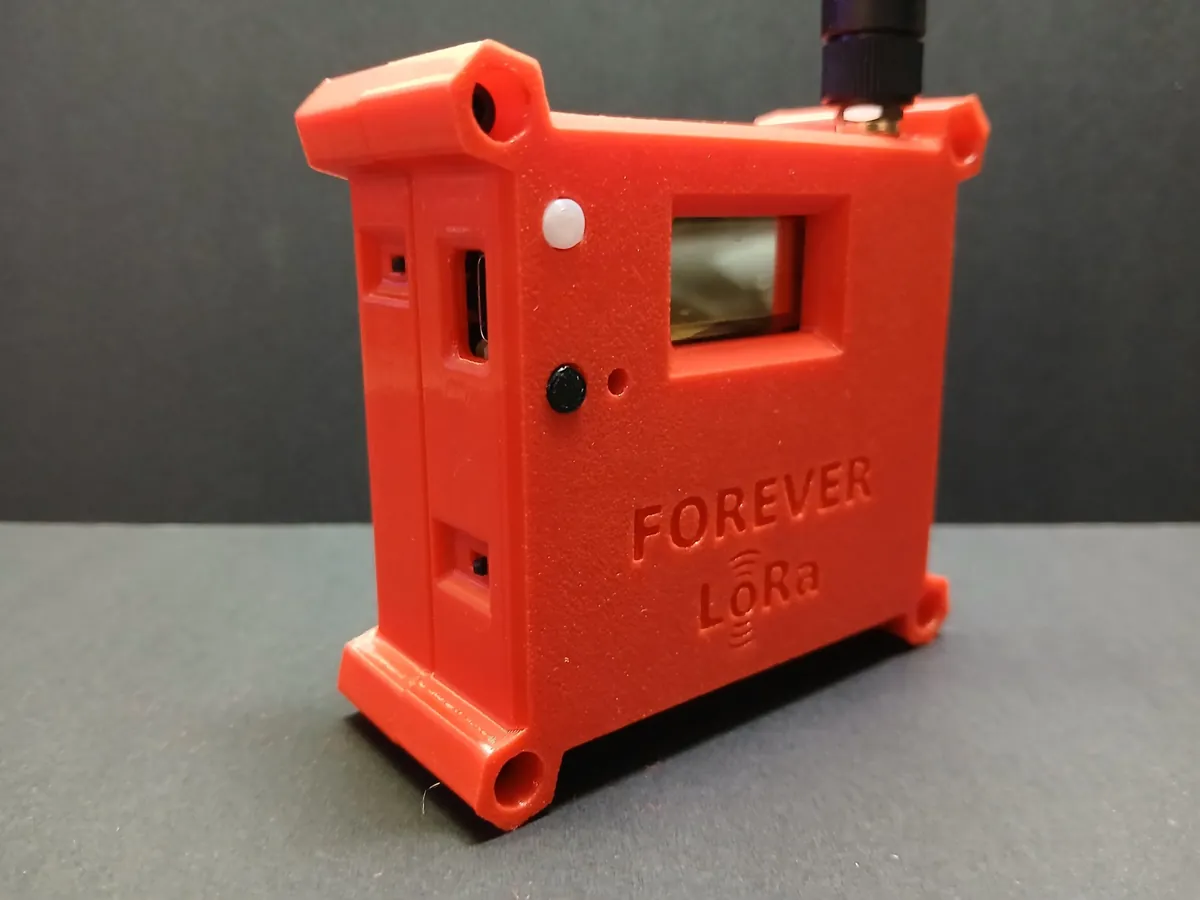
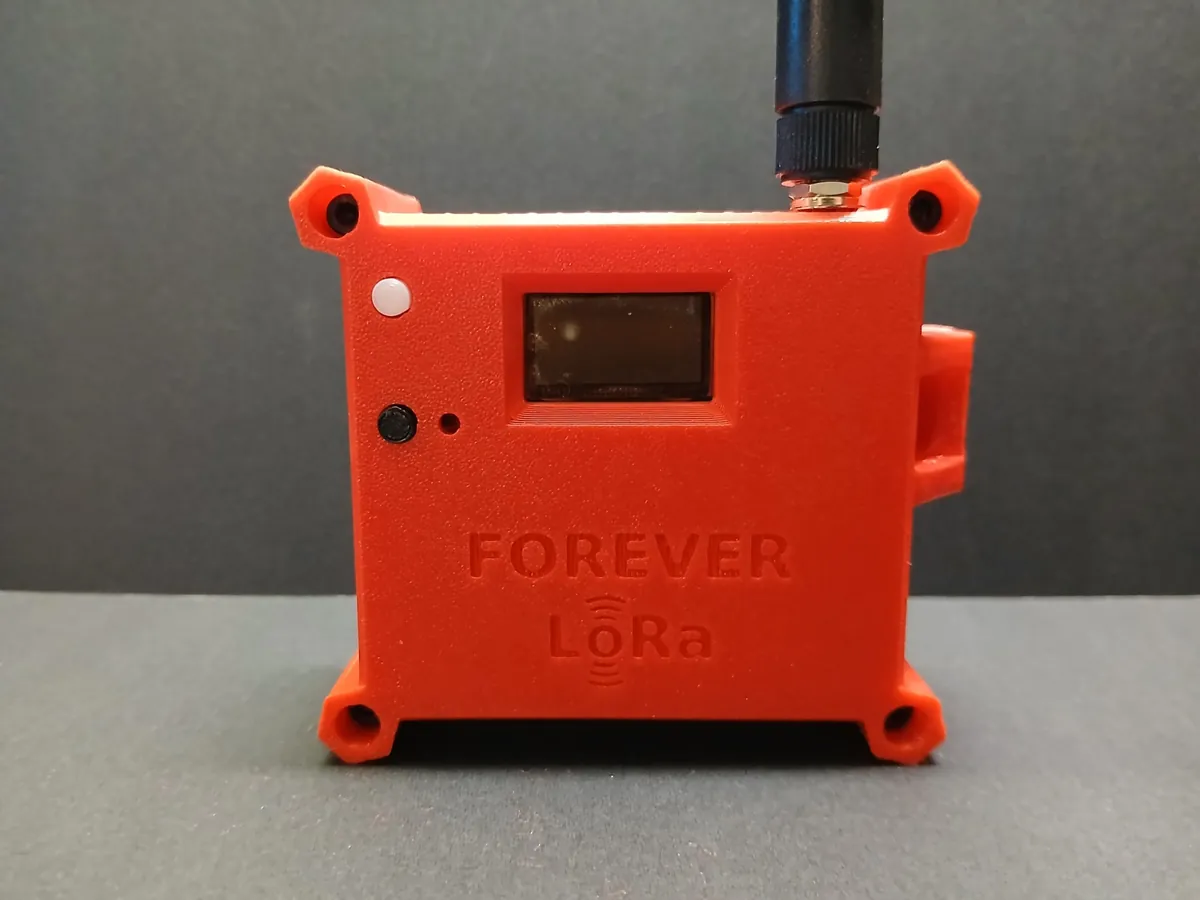
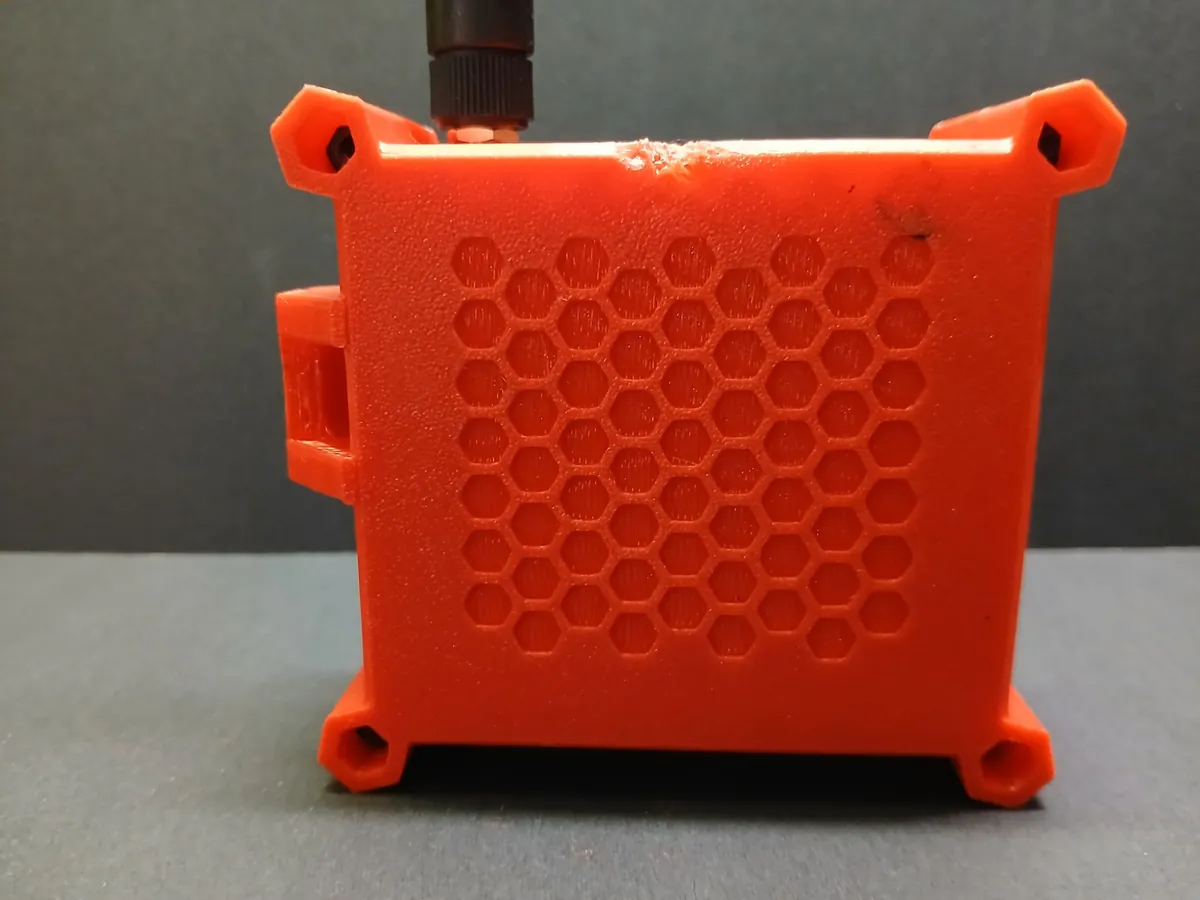
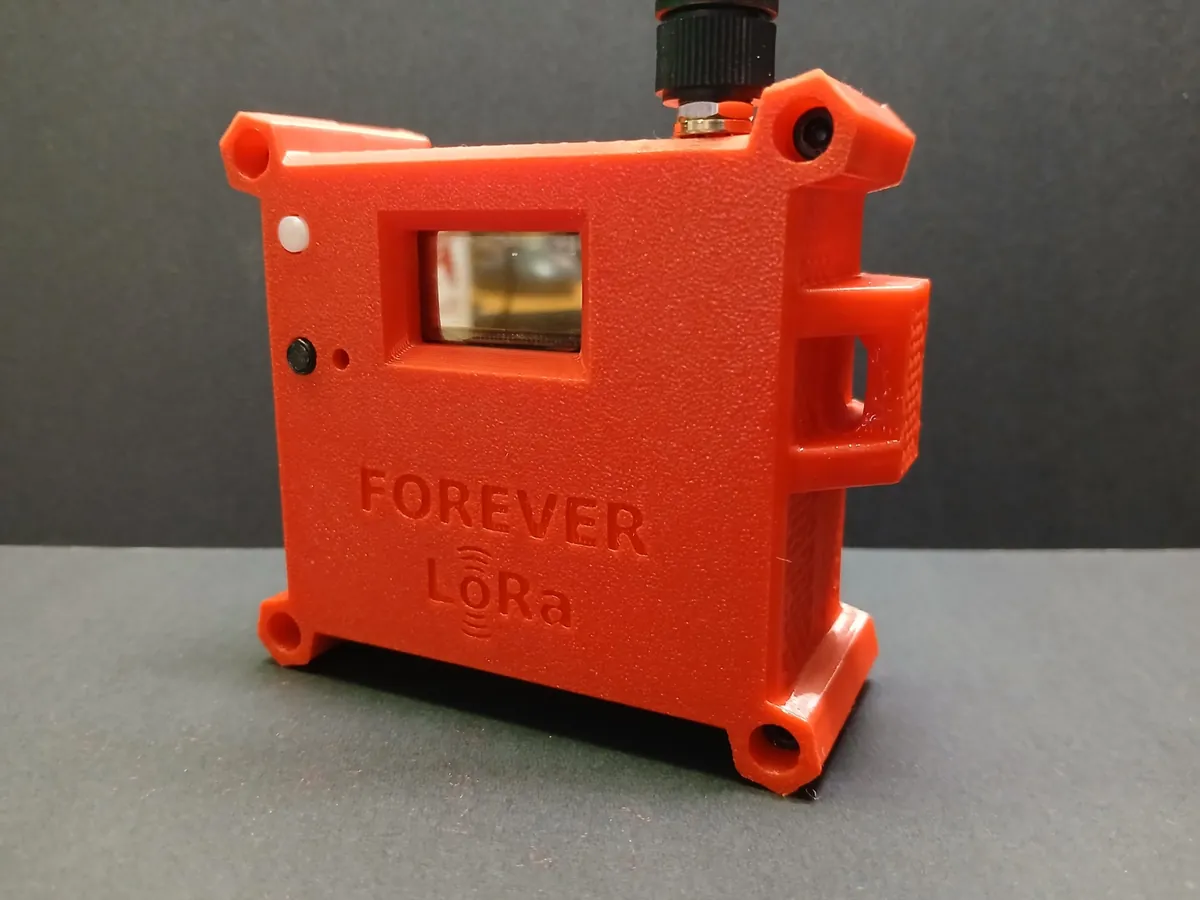
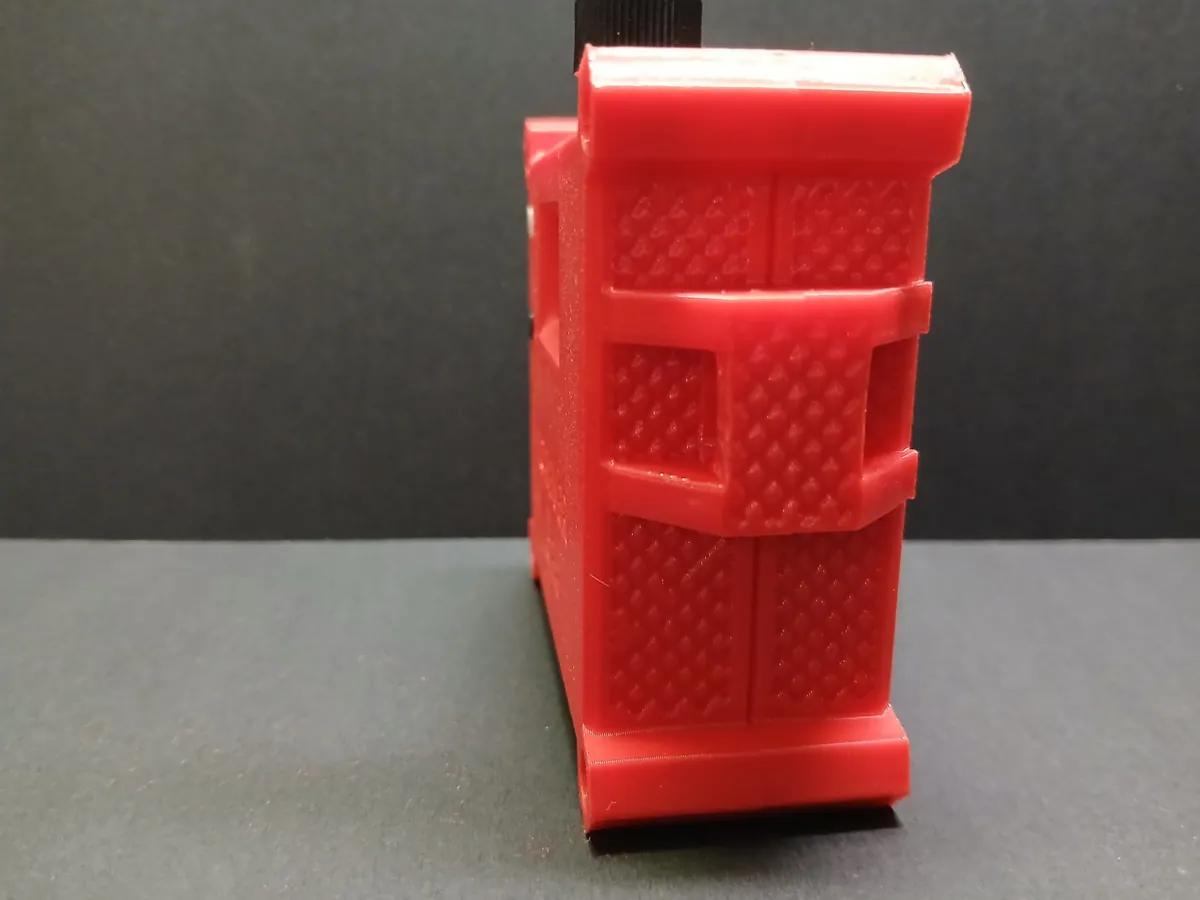
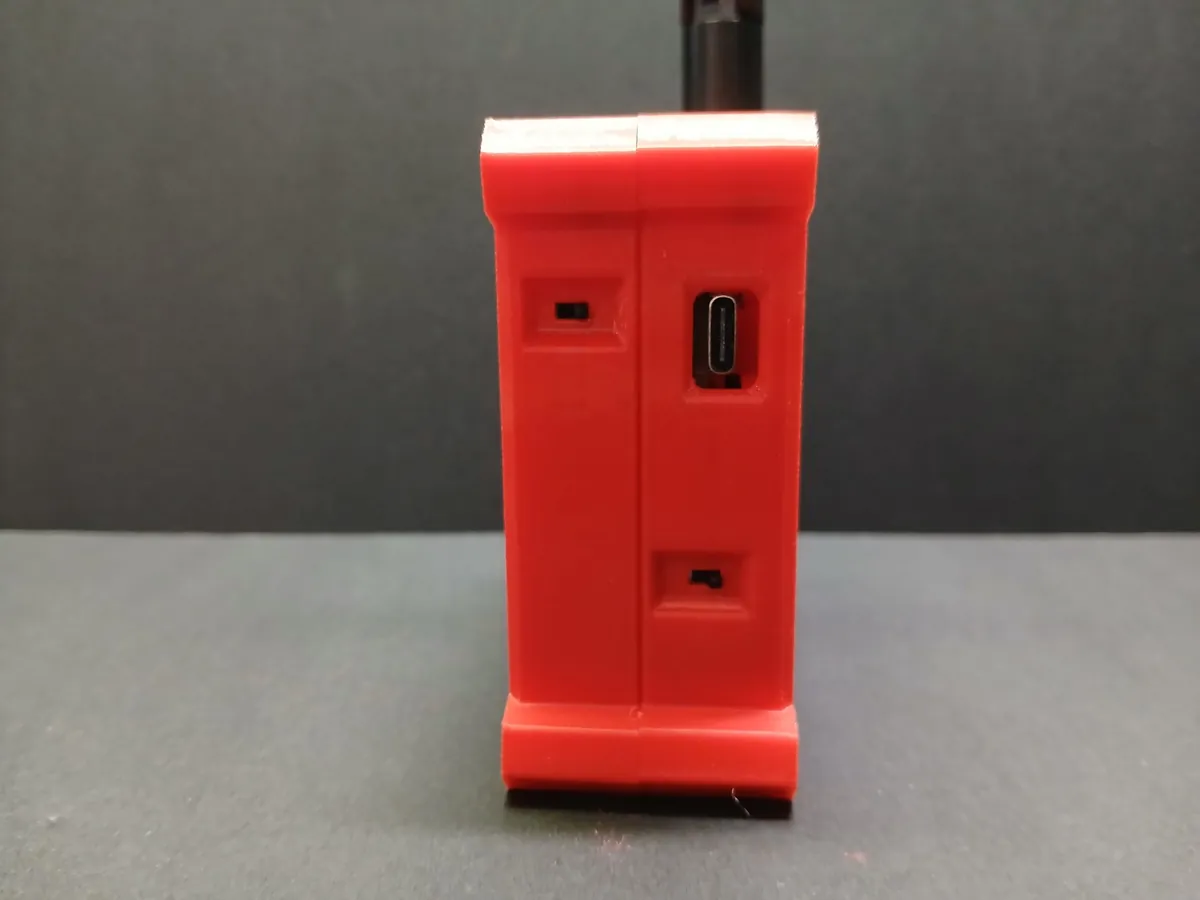
My 3D-printed node case, designed to keep a LoRa radio protected and ready for the field. Select a photo to enlarge it.

Build notes

  • Screen window with a white status light and front button
  • External antenna connector on top
  • USB-C opening and recessed side slots
  • Textured sides with a built-in loop
  • Honeycomb back panel and reinforced corners

STL files: coming soon. Email me for more information.

About

Hi. My name is Josh. Please enjoy the content, and don't hesitate to reach out. I enjoy comments, questions, and constructive criticism.

I was born in 1981 and was introduced to computers, like the Apple II, early in life. I quickly grew to love all things building and electronics. I was a member of the Lego Club from the late '80s into the early '90s, routinely disassembled toys to inspect their inner workings, and made several stop-motion films in the early '90s.

Having technology and the very early internet in our home (I think around 1990), and spending much of my childhood in the Missouri woods and rivers or windsurfing and diving in the ocean, gave me a love for nature, technology, and decentralization. This is just a fun place to visit to catch up on the latest projects and ideas.

Open channel

Email

Questions, ideas, or more information about a project:

Find me online

Look for Forever LoRa on YouTube and TikTok.